
The New Last Mile: How Micromobility Is Reshaping Urban Delivery[Micromobility Pro] The rapid rise of micromobility has made it a central pillar of the global last-mile delivery ecosytem. It is now the primary mode for profitable and quick urban delivery.
Welcome to Micromobility Pro, a bi-weekly publication which is part of The Micromobility Newsletter, where we deep-dive into the financials of micromobility companies and share exclusive insights tailored for professionals and members. Micromobility Europe 2026
Micromobility Europe returns to Berlin, the city where it all began. Join us June 2–3, 2026 at Arena Berlin for two days of high-energy keynotes, panels, demos, and hands-on networking with the brightest minds in mobility. Get Super Early Tickets for Just €299 before they sell out!🏢 Early Bird Rates for Exhibitors: Limited Time Offer Ends Soon! Book your spot today! [Sponsor/Exhibit] | [Speak at the Event] | [Exhibit as a Startup] Spots are filling fast! secure yours today and be part of Europe’s bespoke event for all things micromobility. Contents
Introduction
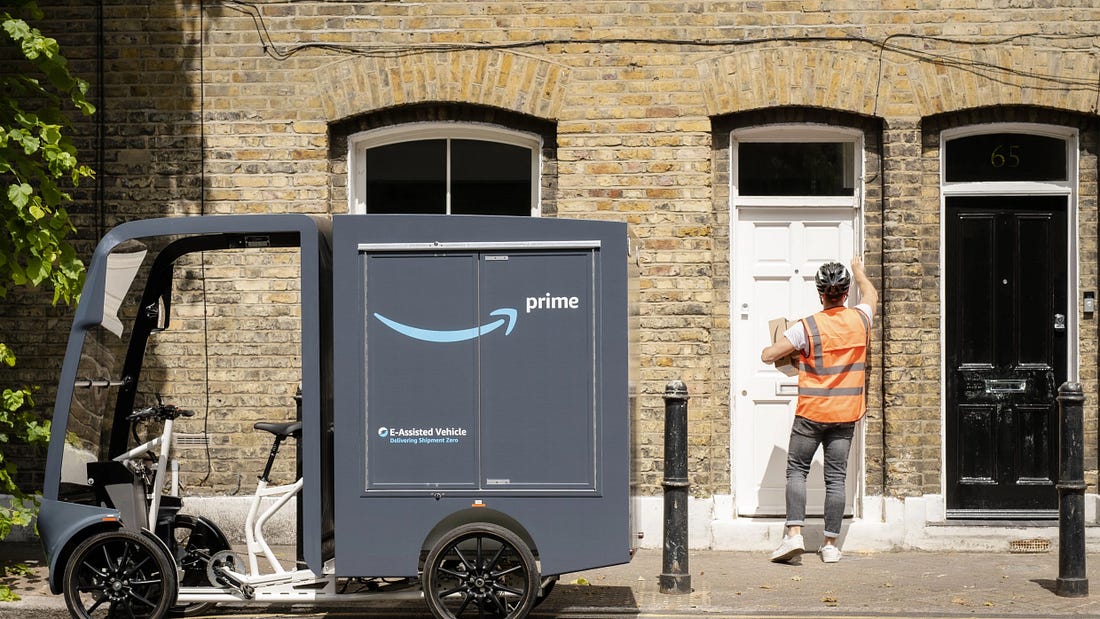
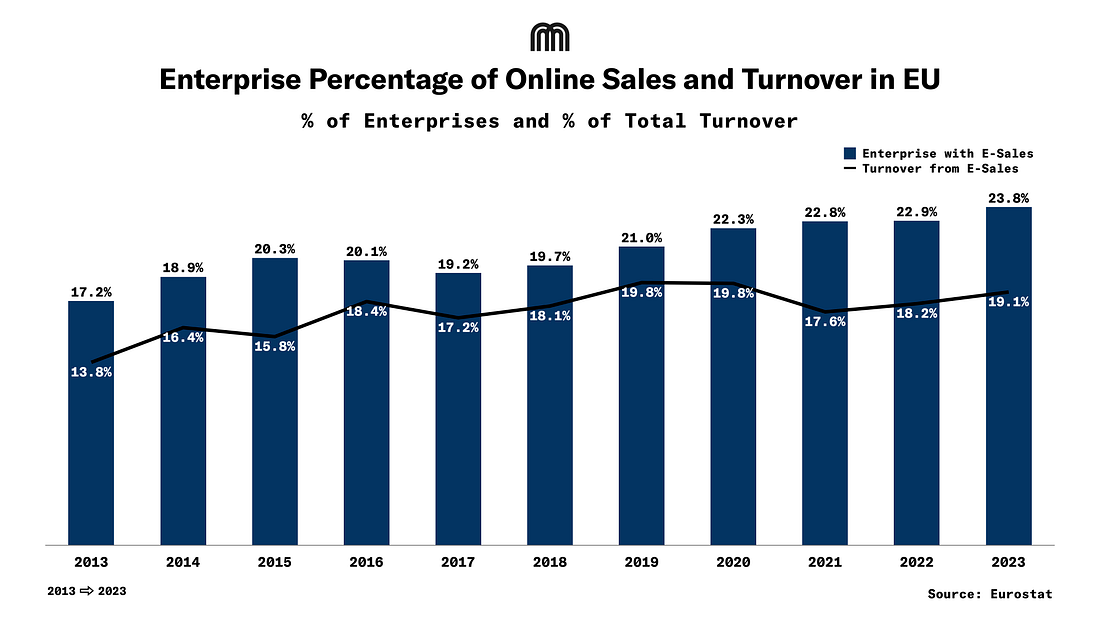
Micromobility’s rise in delivery is driven by both necessity and opportunity. Congestion in major cities has made traditional delivery routes slower and more expensive, while emissions regulations and low-traffic zones are pushing companies to rethink how they operate. The last mile represents more than half of the overall cost of logistics operations, a problem that has only intensified as e-commerce exploded in 2020. Bikes, e-bikes, scooters, cargo trikes, and small autonomous delivery bots are proving far better suited to short-distance, high-frequency delivery tasks. In cities like London, New York, Seoul, and San Francisco, logistics operators, retailers, and gig-delivery platforms are increasingly integrating these lighter vehicles into their fleets. For instance, in London, with low average traffic speeds and congested streets, cargo bikes moved 6% faster than cars by bypassing traffic and eliminating parking-related problems. Online Orders & E-Commerce DemandE-commerce represents 14% of total retail in the US, with 77% of the population spending online. This $1.1T market is key for international merchants. In the EU, between 2013 and 2023, the share of enterprises that had e-sales increased from 17.21% to 23.83%. The turnover generated from e-sales increased from 13.81% to 19.12%. However, turnover in 2023 was 0.71 percentage points lower than the highest share recorded in 2019.
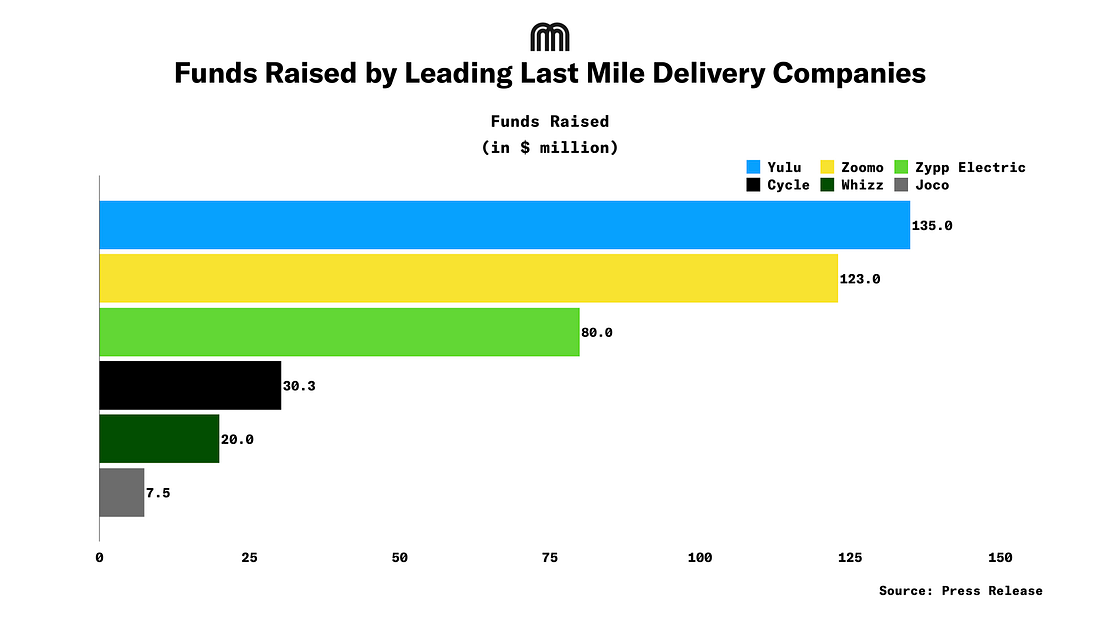
The Indian e-retail market, valued at approximately $60B in Gross Merchandise Value (GMV) in 2024, has established itself as the world’s second-largest online shopper base. Quick commerce, projected to grow more than 40% annually through 2030, and hyper-value commerce, which has scaled to more than 12% of e-retail GMV, are gaining traction in smaller cities. Funds Raised
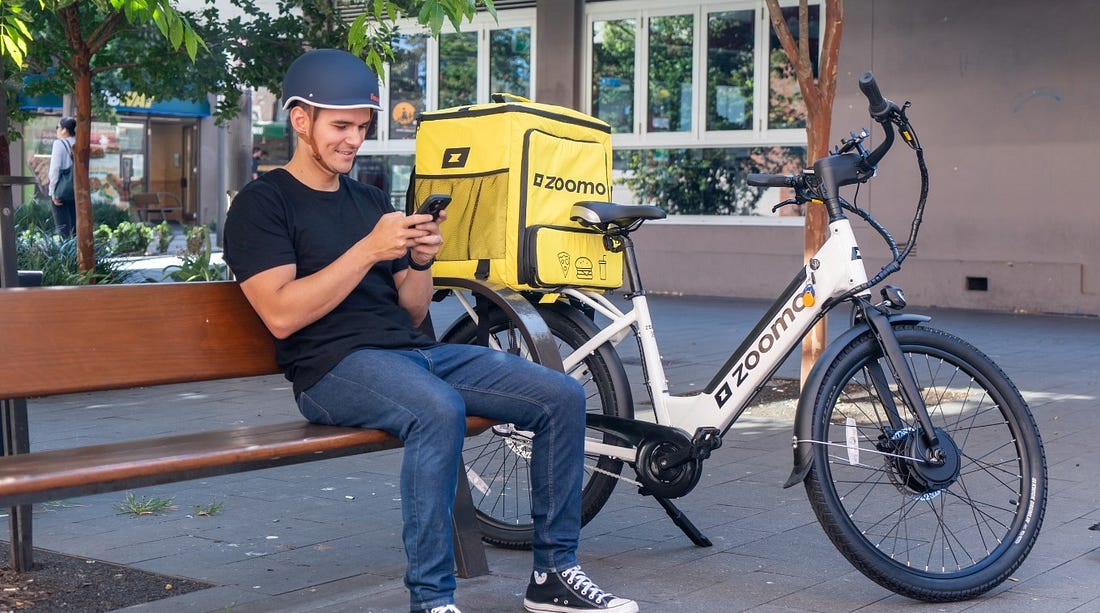
Zoomo
Subscribe to The Micromobility Newsletter to unlock the rest.Become a paying subscriber of The Micromobility Newsletter to get access to this post and other subscriber-only content. A subscription gets you:
|
The New Last Mile: How Micromobility Is Reshaping Urban Delivery
Friday, 21 November 2025






Subscribe to:
Post Comments (Atom)


No comments:
Post a Comment