
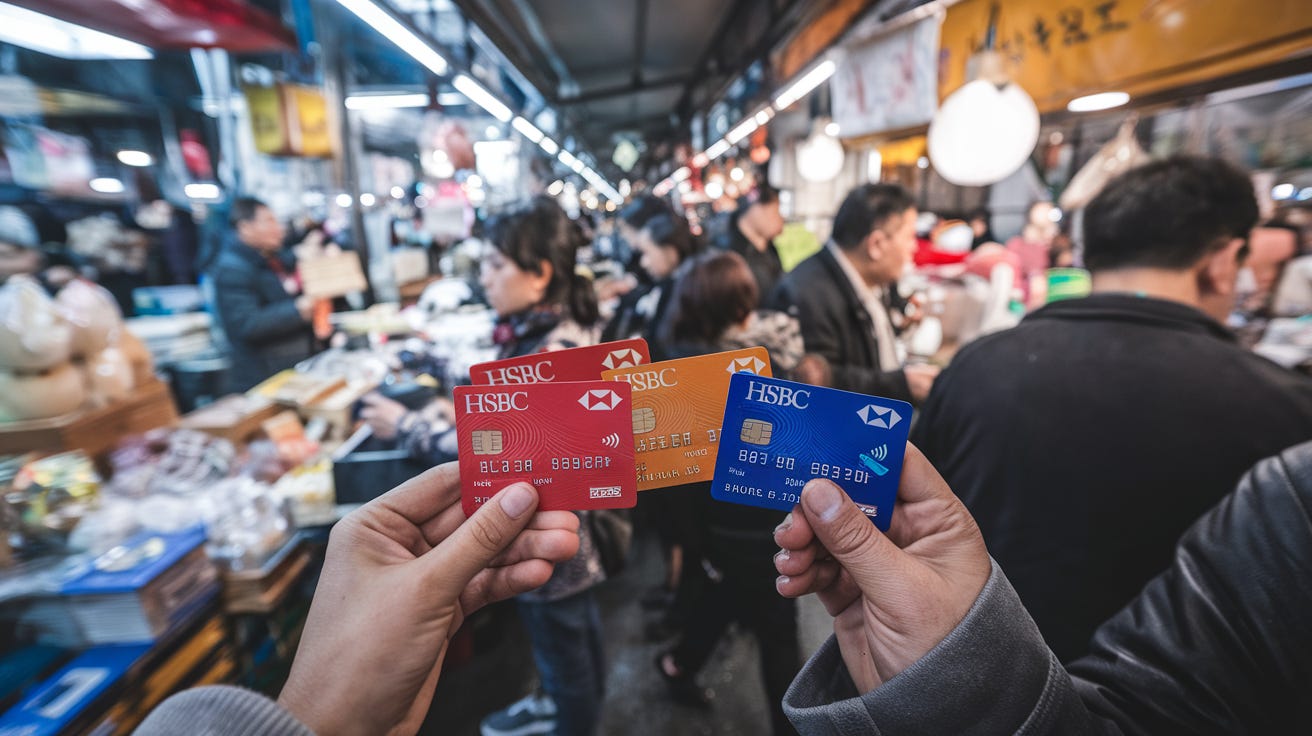
HSBC Reassesses Its Strategy in China’s Credit Card MarketWhat Global Banks Can Learn from HSBC’s Struggles in Navigating China’s Financial Landscape.
In a significant development that underscores the complexities of international banking, HSBC has announced it is re-evaluating its approach to the Chinese credit card market. This move, first reported by Reuters, reflects the challenges global financial institutions face when attempting to penetrate one of the world’s largest and most dynamic consumer markets. The Promise of China’s Credit Card MarketChina boasts a colossal consumer base with a rapidly growing appetite for financial services. The potential for credit card adoption, especially in an economy increasingly driven by consumption, seems boundless on paper. Yet, HSBC’s struggle to establish a foothold in this lucrative sector highlights the stark reality: succeeding in China’s credit card market is far from straightforward. What Went Wrong for HSBC?Despite being one of the largest international banks with a robust global presence, HSBC has encountered roadblocks in China. The challenges it faces paint a broader picture of the hurdles foreign banks often encounter in the region:
HSBC’s decision to reassess its position in China serves as a cautionary tale for other global financial institutions eyeing the region. However, this is not a tale of failure—it’s one of adaptation. Here are key takeaways that can help banks rethink their strategies: 1. Localization is KeyUnderstanding local consumer preferences isn’t optional—it’s essential. Products must be designed to align with unique cultural and behavioural nuances. For instance, rewards systems and payment flexibility that cater specifically to the Chinese consumer mindset could make foreign offerings more attractive. 2. Regulatory Awareness is Non-NegotiableRegulations in China evolve quickly, often with little notice. Establishing strong local legal and compliance teams can help global institutions stay ahead of changes and avoid pitfalls. 3. Embrace Digital TransformationChina’s financial ecosystem thrives on innovation. Mobile payments, virtual credit cards, and AI-driven personalisation are no longer optional for financial institutions—they’re expected. Forming partnerships with fintech companies could provide the agility global banks need to keep pace. 4. Strategic Collaborations with Local PlayersTeaming up with established local institutions or tech giants could open doors that foreign banks can’t access alone. Such collaborations can help international banks tap into existing consumer bases and gain valuable market insights. While HSBC reassesses its position, its broader strategy in China remains a critical component of its global operations. As one of the most internationally connected banks, HSBC has too much at stake to pull out entirely. Instead, this recalibration could lead to more innovative and locally informed approaches. For other financial institutions, HSBC’s experience offers a valuable lesson: growth in China demands more than just a presence. It requires agility, insight, and a willingness to rethink conventional banking norms. HSBC’s struggle is not an isolated incident. Many foreign banks face similar challenges in China, and their collective experience reflects a broader trend in global finance. Success in international markets increasingly hinges on adaptability and the ability to harmonise global ambitions with local realities. As global banks like HSBC navigate these complexities, one thing is clear: the Chinese market, with its unparalleled scale and rapid evolution, remains a beacon of opportunity. But opportunity comes with a price, and only those willing to invest in understanding the intricacies of local markets will reap the rewards. Stay tuned as we continue to explore the shifting dynamics of global finance and the strategies shaping the future of international banking. Invite your friends and earn rewardsIf you enjoy The INFORMER, share it with your friends and earn rewards when they subscribe.
|
HSBC Reassesses Its Strategy in China’s Credit Card Market
Friday, 29 November 2024

%26stroke%3Dnone%26strokeWidth%3D3.6)






Subscribe to:
Post Comments (Atom)


No comments:
Post a Comment