
Aakash Gupta, Nathan Lambert, and Andy Masley posted new notes
͏ ͏ ͏ ͏ ͏ ͏ ͏ ͏ ͏ ͏ ͏ ͏ ͏ ͏ ͏ ͏ ͏ ͏ ͏ ͏ ͏ ͏ ͏ ͏ ͏ ͏ ͏ ͏ ͏ ͏ ͏ ͏ ͏ ͏ ͏ ͏ ͏ ͏ ͏ ͏ ͏ ͏ ͏ ͏ ͏ ͏ ͏ ͏ ͏ ͏ ͏ ͏ ͏ ͏ ͏ ͏ ͏ ͏ ͏ ͏ ͏ ͏ ͏ ͏ ͏ ͏ ͏ ͏ ͏ ͏ ͏ ͏ ͏ ͏ ͏ ͏ ͏ ͏ ͏ ͏ ͏ ͏ ͏ ͏ ͏ ͏ ͏ ͏ ͏ ͏ ͏ ͏ ͏ ͏ ͏ ͏ ͏ ͏ ͏ ͏ ͏ ͏ ͏ ͏ ͏ ͏ ͏ ͏ ͏ ͏ ͏ ͏ ͏ ͏ ͏ ͏ ͏ ͏ ͏ ͏ ͏ ͏ ͏ ͏ ͏ ͏ ͏ ͏ ͏ ͏ ͏ ͏ ͏ ͏ ͏ ͏ ͏ ͏ ͏ ͏ ͏ ͏ ͏ ͏ ͏ ͏ ͏ ͏ ͏ ͏ ͏ ͏ ͏ ͏ ͏ ͏ ͏ ͏ ͏ ͏ ͏ ͏ ͏ ͏ ͏ ͏ ͏ ͏ ͏ ͏ ͏ ͏ ͏ ͏ ͏ ͏ ͏ ͏ ͏ ͏ ͏ ͏ ͏ ͏ ͏ ͏ ͏ ͏ ͏ ͏ ͏ ͏ ͏ ͏ ͏ ͏ ͏ ͏ ͏ ͏
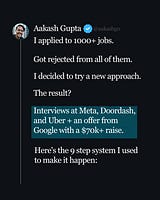
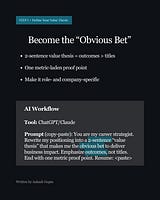
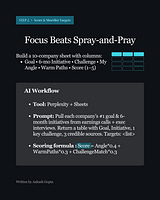
| | | | Aakash Gupta, Nathan Lambert, and Andy Masley posted new notes | |  | | | | I applied to 300+ jobs. Got rejected from all of them. I decided to try a new approach, and the result was interviews at Meta, Doordash, and Uber + an offer from Google with a $70k+ raise. Here's the 9 step system I used to make it happen: (And how to use AI at every step) Repost and save before anything else ♻️ 𝟭. 𝗗𝗲𝗳𝗶𝗻𝗲 𝘆𝗼𝘂𝗿 𝘃𝗮𝗹𝘂𝗲 𝘁𝗵𝗲𝘀𝗶𝘀 You want to become the obvious bet. Write a 2-sentence value thesis focused on business impact. End with one metric proof point. Feed your resume to ChatGPT for help. 🔗 Phyl Terry's masterclass: https://www.youtube.com/watch?v=fnBX7uc14tw 𝟮. 𝗦𝗰𝗼𝗿𝗲 & 𝘀𝗵𝗼𝗿𝘁𝗹𝗶𝘀𝘁 𝘁𝗮𝗿𝗴𝗲𝘁𝘀 Build a 10-company scoring sheet: Goal, 6-mo Initiative, Challenge, My Angle, Warm Paths. Use Perplexity to pull goals from earnings calls in seconds. 🔗 Guide: www.news.aakashg.com/p/small-market-recruiting-strategy 𝟯. 𝗕𝘂𝗶𝗹𝗱 𝘆𝗼𝘂𝗿 𝗿𝗲𝗳𝗲𝗿𝗿𝗮𝗹 𝗴𝗿𝗮𝗽𝗵 Map 10-15 warm connections per company: hiring managers, skip-levels, peers, cross-functional partners. Export LinkedIn contacts to ChatGPT to generate icebreakers. 🔗 Guide: www.news.aakashg.com/p/interviews-referral 𝟰… | | Read More  |
| | | | |
|
| |  | |  | | Andy Masley liked |
 | | | | Life update, she said yes. 🤩👩❤️👨🐕🦺 | | Read More |
| | | | |
|
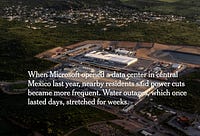
| | | | | | This new article from the NYT is one of the most blatant misrepresentations of the AI water issue I've seen. A ton of pictures and close-ups of faucets run dry and people suffering from drought, with a subtitle saying "When Microsoft opened a data center in central Mexico last year.... Water outages, which once lasted days, stretched for weeks" Nowhere in the article does it make clear how much of the community's water the data center is using. Surprise, again, when you dig in, you find out that the data center is using tiny fractions of the region's water, comparable to any other industry in the region. The data center seems to have a maximum permit of 25 million liters per year. A maximum permit is often way higher than actual use. It's there for worst-case scenarios, because permits… | | Read More |
| | | | |
|
|
| | | | See more notes in the Substack app |
|
|
| | | | 186 |
| |







No comments:
Post a Comment